
Maximize Your Space: Organizing Tips for Small Homes
Living in a small home or apartment often means making the most of every square inch. Whether you’re in a cozy studio or a
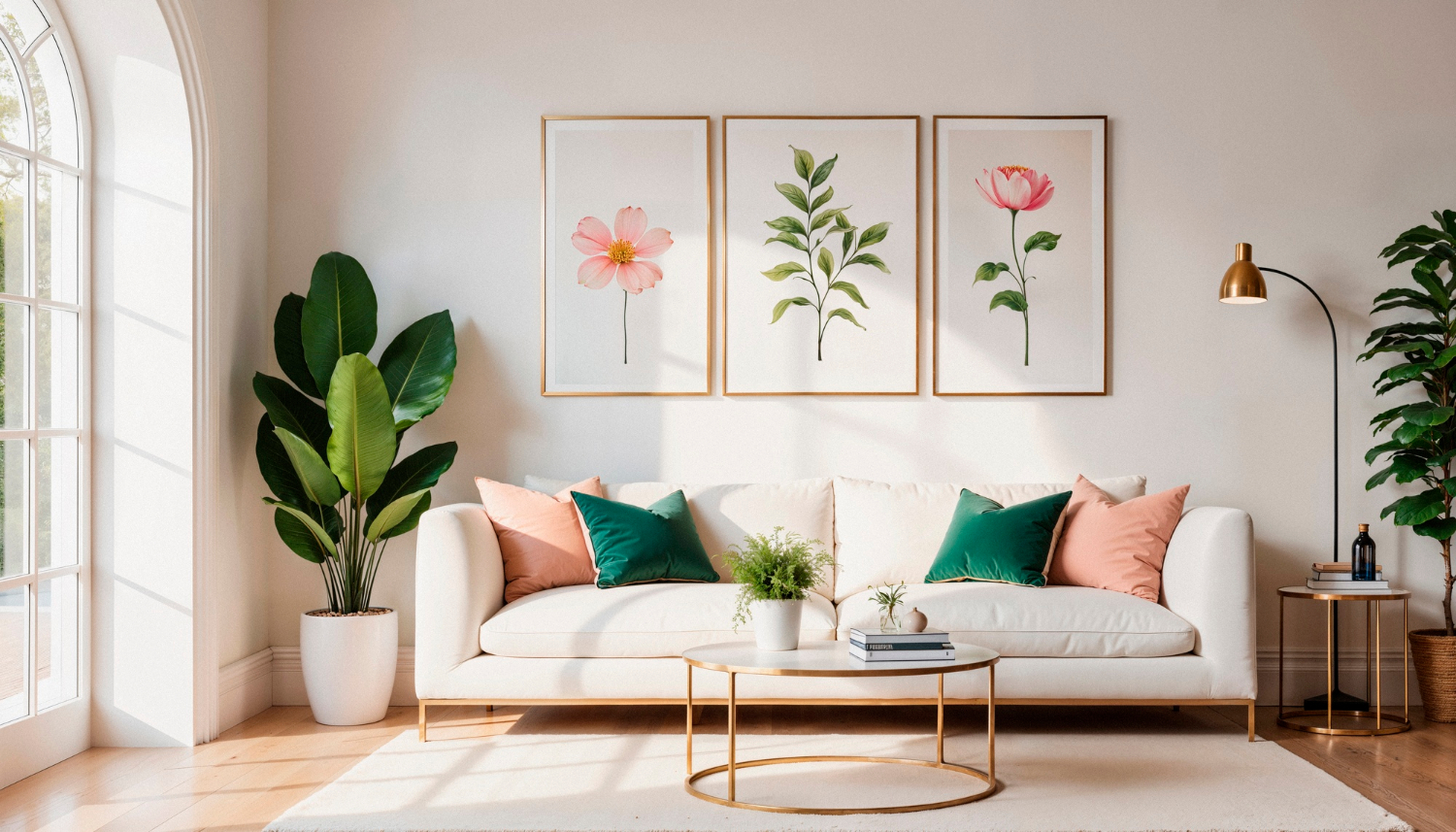
When it comes to home decor, creating a space that reflects your unique personality can be a rewarding yet challenging experience. One of the most popular and effective ways to add character and vibrancy to your home is by mixing and matching different decor styles. Combining various elements from contemporary, traditional, rustic, industrial, and eclectic styles can result in a beautiful, balanced space that feels fresh, dynamic, and entirely your own. However, the process of blending different styles needs to be approached thoughtfully. Here are essential tips for mixing and matching home decor styles to create a harmonious and inviting environment.
When mixing and matching different decor styles, it’s important to establish a neutral foundation. Neutral colors such as whites, grays, beiges, and earthy tones create a calming backdrop that allows your various decor elements to shine without overwhelming the space. A neutral base is versatile and timeless, making it easier to introduce new colors, textures, and patterns as you combine different styles.
You can start with neutral-colored walls, flooring, or larger furniture pieces like sofas and tables. This way, you can bring in accents from different styles without worrying about clashing tones. The neutral base will provide a sense of cohesion while allowing the more vibrant and distinct design elements from other styles to stand out.
One of the most effective ways to mix home decor styles is by incorporating both vintage and modern pieces. Combining old and new can add depth and a sense of history to your space. The key is to strike a balance between the two.
For instance, you might have a modern, minimalist sofa paired with a vintage wooden coffee table. Or, you could display a mix of contemporary artwork alongside antique light fixtures. The contrast between the clean lines of modern pieces and the detailed craftsmanship of vintage items will create an interesting and well-rounded space. Just be sure not to go overboard with either style, as it could disrupt the balance you’re aiming for.
Color is a powerful tool when mixing and matching decor styles. It can help tie together disparate elements and create a sense of unity. While it’s tempting to use a wide variety of colors, it’s crucial to stick to a cohesive palette to ensure the space feels organized and well curated.
One effective approach is to choose a primary color and accent it with complementary shades. For example, if you love the bold patterns and rich hues of bohemian decor but also want to incorporate more subtle Scandinavian elements, consider choosing a neutral base (like white or light gray) with pops of deep, warm colors (like mustard yellow, teal, or rust) from the boho style. This way, the bold accents won’t overwhelm the space but will instead add interest and personality.
If you’re unsure about color combinations, start with a monochromatic scheme and introduce different textures and patterns to break up the monotony. For instance, you can mix a modern black-and-white palette with natural textures like wood, leather, and metal.
Texture plays a significant role in bringing together various decor styles. Mixing materials like wood, metal, glass, and fabric can create an eclectic yet cohesive feel in your space. For example, pairing a sleek leather chair with a soft, plush velvet throw pillow can add visual and tactile interest to a room. Similarly, combining rustic wood furniture with industrial metal accents can evoke a sense of charm and balance.
When mixing textures, it’s important to pay attention to the weight and feel of each element. Light fabrics like linen and cotton work well with more substantial materials like leather and wool. You can also incorporate textural contrasts through rugs, throws, curtains, and cushions.
One of the most important elements when mixing styles is maintaining visual flow. While you can combine items from different styles, it’s essential that the shapes and proportions of your furniture and decor work together. For example, if you have a sleek modern coffee table, you
may want to pair it with other furniture that shares similar proportions, even if it’s from a different style. A large, overstuffed sofa in a traditional style may feel out of place with more contemporary furnishings.
When blending decor styles, consider using similar shapes—such as round or rectangular—and balancing the scale of your furniture. This helps ensure that your space doesn’t feel disjointed or chaotic. The goal is to create a seamless flow between different elements, so the transition from one style to another feels natural and effortless.
A great way to blend different styles is by using a statement piece as the focal point of a room. Whether it’s a unique piece of artwork, a striking antique furniture item, or a bold rug, a statement piece can tie together the various elements in the room and provide a central point of focus.
For example, you could place a vibrant, oversized piece of artwork in a room that features a mix of modern and industrial furniture. The artwork will draw attention and create a natural connection between the other design elements. Similarly, a statement light fixture, like a vintage chandelier or a contemporary pendant light, can help create a visual link between different styles.
The eclectic style is all about mixing various decor elements from different eras and cultural influences. It’s a style that encourages individuality and self-expression, making it a perfect choice for those who want to mix and match various decor styles. To achieve this look, you can combine furniture and accessories from different periods and design movements, like mid century modern with bohemian, or industrial with traditional.
The key to achieving an eclectic look is to maintain a sense of unity through shared colors, materials, or textures, even if the pieces themselves are distinct. An eclectic space allows you to get creative and showcase your personal style, making it feel unique and inviting.
While mixing and matching styles can be exciting, it’s important to consider the function of each room when blending styles. For example, a living room that’s used for entertaining should have comfortable seating and functional lighting. Incorporating a variety of decor styles in this space can add interest, but it’s crucial to prioritize comfort and usability. In contrast, a bedroom is a more personal space, so you might feel freer to experiment with bolder, more unexpected combinations.
If you’re mixing decor styles in a functional room, like the kitchen or bathroom, make sure to prioritize both aesthetics and practicality. For example, you can mix industrial-style shelving with farmhouse-style cabinetry, but ensure that everything is organized and easy to access.
Many people shy away from mixing styles because they fear that the room will become too cluttered or lack coherence. However, the beauty of mixing styles is that it offers the opportunity to blend function and beauty. For instance, while your decor might feature a blend of vintage, modern, and industrial elements, you can still choose pieces that serve a practical purpose—like a sleek storage unit or multifunctional furniture.
When mixing decor styles, make sure each element serves a purpose, whether it’s purely decorative or functional. This will help maintain a sense of harmony and prevent your space from feeling chaotic or overcrowded.
Ultimately, mixing and matching home decor styles should be a fun and creative experience. Don’t be afraid to experiment with different combinations of furniture, colors, and materials. Trust your instincts and play around with different ideas until you find a look that feels right for your space. After all, your home should reflect your personality and style, and there are no hard and fast rules for how to do that.
By following these tips and guidelines, you can confidently mix and match home decor styles, creating a space that feels cohesive, stylish, and uniquely your own.
With these tips, you can confidently mix and match different home decor styles to create a beautiful, personalized space that reflects your style. Remember to experiment, keep a balanced color palette, and always prioritize comfort and functionality. Happy decorating!
Living in a small home or apartment often means making the most of every square inch. Whether you’re in a cozy studio or a
When it comes to refreshing your home, one of the most impactful and cost-effective ways to transform a space is with a fresh coat