
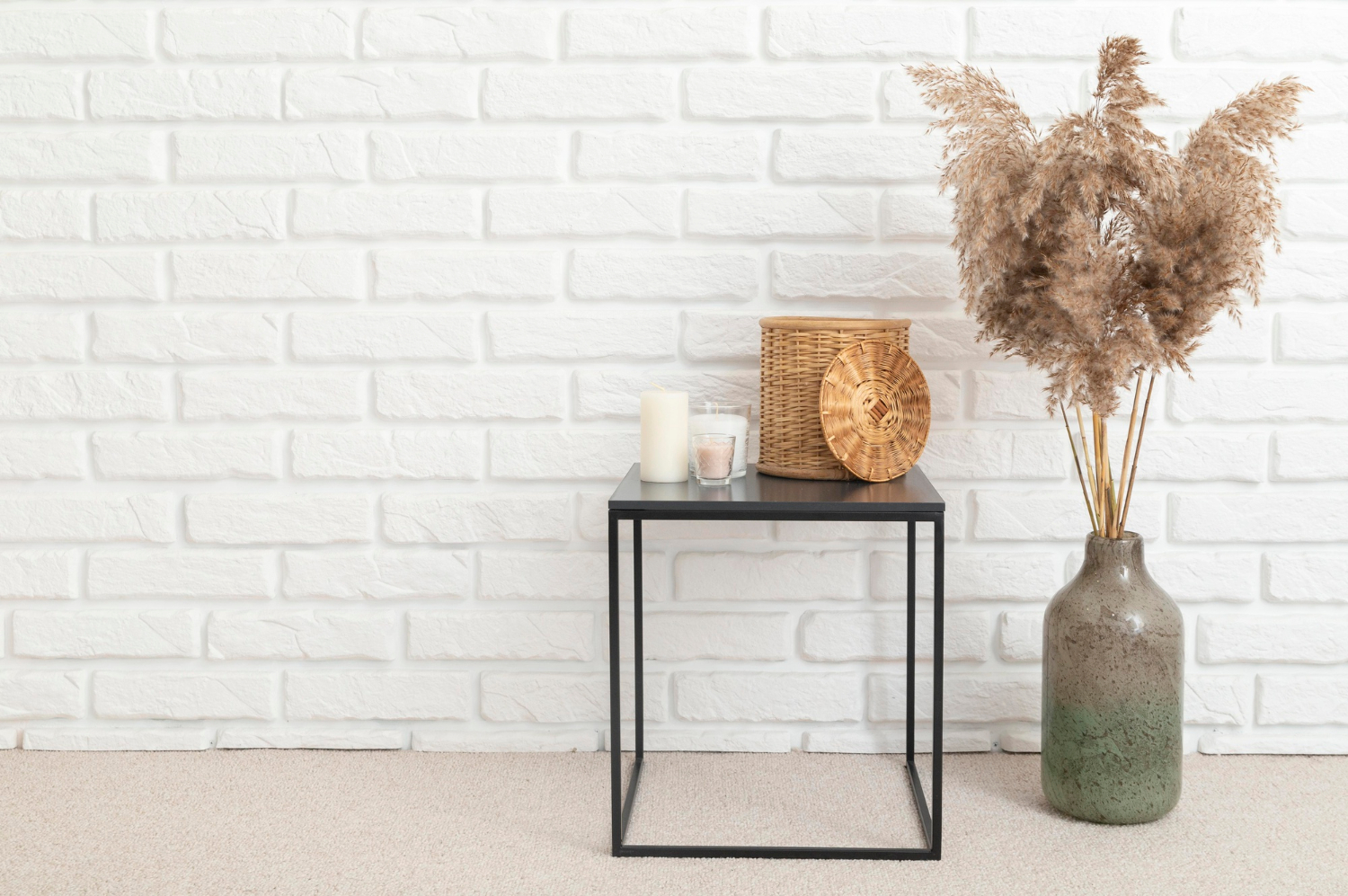
Maximize Your Space: Organizing Tips for Small Homes
Living in a small home or apartment often means making the most of every square inch. Whether you’re in a cozy studio or a

When it comes to refreshing your home, one of the most impactful and cost-effective ways to transform a space is with a fresh coat of paint. The color you choose for your walls can completely change the mood, ambiance, and perception of a room. Whether you’re looking to create a calm and serene atmosphere, inject some energy into a dull space, or add a touch of sophistication, the right paint colors can work wonders. In this blog, we’ll explore the power of color and provide tips on how to refresh your home with paint.
Why Color Matters in Your Home
Before diving into the specifics of how to refresh your home with paint, it’s important to understand why color matters so much. Color has the ability to influence our emotions and even affect our well-being. In fact, color psychology has been studied for years, and it’s been proven that different hues can evoke specific feelings.
For instance, warm colors like reds, oranges, and yellows tend to be energizing and stimulating, making them great choices for social spaces like living rooms and dining areas. Cool colors like blues, greens, and purples have a calming effect and are perfect for bedrooms and bathrooms. Neutrals such as whites, grays, and beiges offer versatility and create a balanced backdrop for other design elements in the home.
In addition to the psychological effects, color also plays a huge role in how we perceive a room’s size and light. Light colors can make a room feel more expansive and airy, while darker shades can add coziness and intimacy. This makes color an essential tool for enhancing the functionality and atmosphere of your space.
Choosing the Right Color for Your Home
When it comes to choosing paint colors, it’s important to consider both the size of the room and the atmosphere you want to create. Here are some tips to guide you in selecting the right color for each area of your home:
The function of the room plays a huge role in determining the right color. For example, if you’re painting a bedroom, you’ll want to choose a color that promotes relaxation and restfulness. Soft blues, greens, or even lavender can be great choices for creating a peaceful retreat. On the other hand, a living room or dining room may benefit from a color that encourages conversation and connection, such as warm tones like deep reds, golds, or rich oranges.
Kitchens and bathrooms are spaces where you can have a bit more fun with color. Since these rooms tend to be high-traffic areas, colors like crisp whites or soft grays can create a clean and
fresh look. For a more bold and lively atmosphere, bright yellows, greens, or even a teal accent wall can breathe life into the space.
Natural light plays a huge role in how colors appear in a room. A room with plenty of natural light can handle bolder and darker colors, while a room with limited natural light may benefit from lighter, reflective tones that help brighten the space.
For rooms that lack natural light, opt for soft whites, light grays, or pale neutrals to create the illusion of more space and brightness. In contrast, if you have a room with abundant sunlight, you can afford to experiment with deeper, richer tones that will feel cozy and inviting without overwhelming the space.
When refreshing your home with paint, it’s important to create a cohesive color scheme that flows naturally from one room to the next. Consider how the colors in each space relate to one another, especially if you have an open floor plan or rooms that flow into each other.
You don’t have to stick to the same exact colors in every room, but using similar tones or shades that complement each other will create a sense of harmony throughout your home. For example, you could paint the living room in a soft beige and the adjoining hallway in a slightly deeper taupe, allowing the two rooms to feel connected without being monotonous.
If you’re feeling more adventurous, consider using contrasting colors in different rooms. For example, you could paint the living room in a muted blue tone while using a bright yellow or orange accent wall in the kitchen. The key to making contrasting colors work is to ensure that they don’t compete with each other but instead enhance the overall atmosphere of your home.
How to Use Color to Change the Perception of Space
One of the most powerful ways to refresh your home with paint is by using color to alter the perception of space. Whether you want to make a small room feel larger, add warmth to an expansive space, or create a sense of intimacy, color can be your secret weapon.
Lighter colors have a tendency to make a room feel larger and more open, which is ideal for smaller spaces like bathrooms, entryways, or bedrooms. Soft whites, light pastels, and neutral tones can reflect light and create an airy, spacious feeling.
If you’re working with a particularly tiny room, consider painting the ceiling a lighter color than the walls to create the illusion of higher ceilings. Horizontal stripes can also be used strategically to elongate a room and make it feel more expansive.
In large rooms, you may want to add a sense of warmth and coziness. Darker shades like deep browns, rich burgundies, and navy blues can give a large space more intimate appeal. To avoid the room feeling too heavy or enclosed, consider using these shades on accent walls or as part of a color-blocking scheme.
Adding texture through paint can also help create warmth. Consider using matte finishes for a more inviting, soft look or incorporating metallic accents to add depth and sophistication.
Using contrasting or bold colors can help create focal points in a room. For example, an accent wall painted in a vibrant color like deep blue or emerald green can draw attention to a specific area of the room, such as behind a piece of artwork or a statement piece of furniture. This technique is especially effective in living rooms or dining areas where you want to highlight a particular feature or architectural element.
If you have a built-in bookshelf or a fireplace, consider painting it in a bold color that contrasts with the surrounding walls. This not only adds visual interest but also draws the eye to these unique features in the room.
Tips for Painting Like a Pro
Once you’ve decided on the perfect color, it’s time to start painting. Here are some pro tips to ensure your painting project goes smoothly:
Before you start painting, it’s essential to properly prepare the surface. Clean the walls, remove any dust, and patch up any holes or cracks. A smooth surface will help your paint adhere better and ensure a more even finish.
Investing in high-quality paint is worth it for long-lasting results. While it may be tempting to choose a cheaper option, premium paint covers better and lasts longer, ultimately saving you money in the long run.
The right tools can make all the difference in your painting project. Invest in quality brushes, rollers, and painter’s tape to ensure clean lines and a smooth finish. Don’t forget to use drop cloths to protect your furniture and floors!
For the best coverage, apply two to three coats of paint. This will ensure that the color is vibrant and the finish is smooth. Allow each coat to dry completely before applying the next one.
Conclusion
The power of color is undeniable when it comes to refreshing your home. A simple coat of paint can dramatically transform the look and feel of any room, whether you want to make it feel larger, cozier, or more vibrant. By choosing the right colors for each space, creating a cohesive color scheme, and using paint to alter the perception of space, you can easily revamp your home without breaking the bank. So grab your paintbrush and get started—your refreshed home awaits!
Living in a small home or apartment often means making the most of every square inch. Whether you’re in a cozy studio or a
When it comes to refreshing your home, one of the most impactful and cost-effective ways to transform a space is with a fresh coat